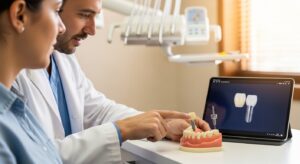
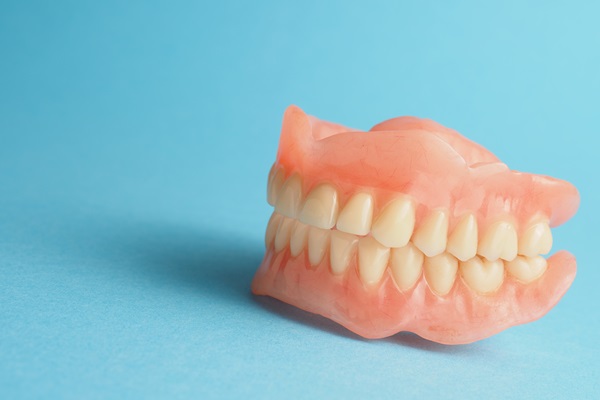
If one or more teeth are missing, replacement is often advisable to maintain oral health and function. Implant-supported dentures offer a stable and effective option for tooth replacement. These fixed prosthetics are designed to mimic a natural bite, facilitating normal eating and speaking. Unlike conventional dentures, which rest on the gums, implant-supported dentures integrate with the jawbone, which helps to preserve bone density and provide a secure foundation.
Pre-procedure consultation and candidacy
Before considering implant-supported dentures, a comprehensive consultation with a dentist is essential to determine suitability. Ideal candidates typically possess adequate jawbone density to support the dental implants and maintain good oral hygiene. Certain systemic health conditions or habits, such as uncontrolled diabetes or smoking, may affect the healing process and could influence candidacy. The dentist will evaluate your overall oral health and medical history to assess if this treatment option aligns with your needs.
Implant-supported dentures procedure steps
The process of receiving implant-supported dentures typically involves several stages over a period of four to seven months, depending on individual healing rates. This timeline allows for proper integration of the implants with the jawbone.
Placement of titanium implants
The initial surgical step involves the precise placement of titanium dental implants into the jawbone. A small incision in the gum tissue provides access for the implant placement. On average, the upper jaw may receive around seven implants, while the lower jaw typically requires four to five implants to provide sufficient support.
These implants serve as a root-like anchor for the prosthetic teeth. Following placement, a healing period, known as osseointegration, is necessary for the jawbone to naturally fuse with the titanium implants. This process typically takes between three to six months, during which the gum tissues also heal.
Attachment of abutments
Once osseointegration is complete and the site has healed, a second phase involves re-exposing the implants. Abutments, which are small metal connectors, are then attached to the implants. These abutments will protrude slightly from the gum line, forming the connection point for the future denture. A healing period of approximately two weeks is usually observed after abutment placement.
Fabrication of custom dentures
After the gum tissues have fully healed around the abutments, an impression of the oral structures is taken. This impression serves as the basis for a dental laboratory to create a wax model of the proposed denture. The wax model allows the dentist and patient to evaluate the appearance, fit, and bite before the final denture is fabricated. Adjustments can be made at this stage to ensure optimal aesthetics and function.
Upon approval of the wax model, the dental laboratory proceeds with the fabrication of the final, durable implant-supported dentures. This custom fabrication process usually takes between one to three weeks.
Final attachment of dentures
The final step involves securing the custom-fabricated dentures onto the abutments. The dentist will meticulously attach the dentures, making any necessary minor adjustments to ensure comfort and proper bite alignment. Once attached, patients can begin to experience the benefits of their new, stable set of teeth.
Follow-up and long-term care
Following the placement of implant-supported dentures, one or two follow-up appointments may be recommended. These visits allow the dentist to monitor the healing of the oral tissues and confirm the successful integration of the implants. Total healing time can vary based on individual factors such as overall health, bone quality, and adherence to post-operative instructions.
Maintaining implant-supported dentures involves specific care practices. If your dentures are removable, they should be cleaned and soaked daily according to your dentist’s instructions to prevent plaque buildup, staining, and odor, as well as to keep the material from becoming brittle.
For permanently attached implant-supported dentures, diligent cleaning along the gumline where the denture meets the tissues is crucial. A water flosser can be particularly effective in dislodging food particles that a toothbrush might not reach. Daily brushing with a soft-bristled toothbrush and a non-abrasive toothpaste, preferably one designed for dentures, is also recommended.
Regular dental check-ups and professional cleanings are essential for the long-term success and health of your implant-supported dentures and surrounding oral tissues. If you notice any changes in the fit, feel, or condition of your dentures, it is important to contact your dental provider promptly.
Conclusion
Implant-supported dentures offer a robust and functional solution for replacing missing teeth for suitable candidates. They provide a stable foundation that supports comfortable speaking and chewing, and they contribute to the preservation of jawbone structure and facial aesthetics.
Request an appointment here: http://www.thedentalplaceoftamarac.com or call our offices at (954) 271-8072 for an appointment in our Tamarac office.
Related Posts
Considering overdentures? Read on to learn more about this tooth-replacement solution from an implant dentist. Implant overdentures are a great way to replace a section or an entire row of missing teeth. Implant dentists may recommend overdentures for patients who want a permanent and long-term solution to teeth replacement and are capable of going through…
Dentures can restore normalcy to the functions of chewing and eating, but for first-time wearers, there is a period spent adjusting to new dentures. By asking a dentist about this transitionary period, it is possible to minimize the discomfort and awkward mishaps that often accompany getting used to a new dental appliance. In addition, dealing…
There are many treatments available to restore missing teeth, but dentures are among the most common. They consist of appliances that are usually removable and consist of a base of hard acrylic or metal that supports artificial teeth. Their purpose is to restore oral function so that you can talk and eat more or less…
Replacing your missing teeth with dentures will benefit your overall health and quality of life. But it is important to take out your dentures at night before bed.Removing them before sleeping will help to avoid many problems. The only time when a person should sleep with them is when a dental provider recommends it.During the…
We are committed to providing quality healthcare to families located in the Tamarac area and treat patients of all ages.
The Dental Place of Tamarac
7300 W McNab Rd Ste 115
Tamarac, FL 33321
Phone: (954) 271-8072
Book Your Appointment Today!