Esthetic Dentistry and Functional Considerations: Comfort, Health, and Durability
Esthetic dentistry is not only about creating a more attractive smile. It also considers how the teeth, gums, jaw joints, and bite work together. A successful treatment should improve appearance without sacrificing comfort, oral health, or long-term function.
At The Dental Place of Tamarac, we consider both form and function when planning dental care. Depending on your needs, treatment may repair damaged teeth, replace missing teeth, improve alignment, balance your bite, or combine several procedures into one personalized plan.
Understanding these functional considerations can help you make informed decisions about your smile and choose results that look natural, feel comfortable, and remain dependable over time.
What Is Esthetic Dentistry?
Esthetic dentistry combines restorative principles with careful attention to the appearance of the smile. While cosmetic dentistry often focuses on visible improvements, an esthetic approach also considers strength, alignment, bite balance, tooth proportions, gum health, and how restorations function in everyday activities.
For example, repairing a chipped tooth may improve its appearance, but the treatment should also restore the tooth’s strength and protect it from further damage. Replacing a missing tooth may close an unwanted gap, but it should also help restore chewing function and keep nearby teeth from shifting.
Depending on the condition of your smile, esthetic treatment may include:
- Tooth-colored restorations
- Dental crowns and bridges
- Porcelain veneers
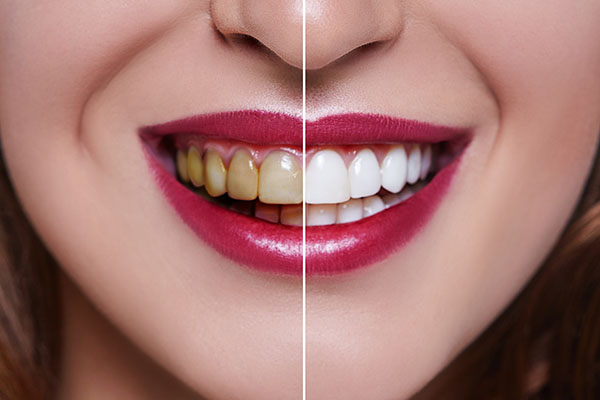
- Professional teeth whitening
- Clear aligner treatment
- Dental implants
- Full mouth reconstruction
Patients primarily interested in changing the color, shape, size, or symmetry of their teeth can learn more about our cosmetic dentistry and smile makeover options.
How Esthetic Dentistry Can Improve Comfort
Dental damage can make ordinary activities uncomfortable. A cracked, chipped, worn, or decayed tooth may become sensitive when exposed to hot, cold, sweet, or acidic foods. Some damaged teeth can also hurt when you bite or chew.
Restoring the affected tooth helps protect its inner structure and allows biting pressure to be distributed more evenly. Depending on the extent of the damage, treatment could involve a filling, veneer, crown, root canal, or another type of restoration.
Comfort also depends on the way the upper and lower teeth meet. Uneven bite forces may place excess pressure on certain teeth, restorations, chewing muscles, or jaw joints. Over time, a poorly balanced bite may contribute to:
- Jaw soreness or fatigue
- Frequent headaches
- Tooth wear
- Chipped or fractured restorations
- Pain while chewing
- Clicking or discomfort near the jaw joints
Because these symptoms can have several possible causes, a complete dental evaluation is important. Patients experiencing ongoing jaw pain, headaches, or difficulty opening and closing their mouths can explore our approach to TMJ treatment in Tamarac.
Supporting Better Oral Health
A damaged tooth is more than an aesthetic concern. Cracks, decay, worn enamel, and broken restorations can create areas where plaque and bacteria collect. Without treatment, the damage may become larger and eventually affect the deeper layers of the tooth.
Timely restorative care can remove damaged material, rebuild the tooth, and make the area easier to clean. It may also reduce the likelihood that a relatively small problem will require more complex treatment later.
Replacing missing teeth can support oral health as well. When a space remains empty, neighboring teeth may gradually shift toward the opening. The opposing tooth may also move because it no longer meets another tooth when you bite. These changes can affect alignment, chewing, and oral hygiene.
Routine preventive care remains an essential part of protecting both natural teeth and dental restorations. Regular examinations and professional cleanings allow the dental team to check for decay, gum inflammation, worn dental work, bite changes, and other concerns. Learn more about our general dentistry services.
Creating Natural-Looking Results
Modern dental restorations can be designed to resemble natural tooth enamel. However, attractive results involve more than selecting a bright shade. The dentist must also consider the shape, size, translucency, surface texture, position, and proportions of each tooth.
A restoration that looks natural should complement the surrounding teeth, gumline, lips, and facial features. It should also fit comfortably within the bite. Making a restoration too large, too long, or improperly positioned could affect speech, cleaning, or chewing.
Porcelain veneers may be considered for concerns such as chips, stains, minor gaps, worn enamel, or uneven tooth shapes. Veneers cover the visible front surface of selected teeth and are customized to create a balanced appearance.
Not every cosmetic concern requires veneers, and not every patient is a suitable candidate. The health of the teeth, the amount of available enamel, bite forces, grinding habits, and the patient’s goals should all be evaluated before treatment.
Restoring Strength and Durability
Long-term durability begins with choosing the correct treatment for the condition of the tooth. A minor imperfection may respond well to a conservative procedure, while a severely weakened tooth may need greater protection. Placing a treatment under forces it was not designed to withstand can increase the risk of wear, fractures, or early failure.
Durability also depends on several patient-specific factors, including:
- The health of the remaining tooth structure
- The location of the tooth
- The amount of biting pressure it receives
- Teeth grinding or clenching
- Daily brushing and flossing habits
- Diet and tobacco use
- Regular professional dental care
No dental restoration is indestructible. However, good treatment planning, appropriate materials, careful placement, and consistent home care can help restorations remain functional for many years.
Replacing Missing Teeth with Stable Solutions
Missing teeth can affect your ability to chew, pronounce certain words, and smile with confidence. Tooth loss may also alter the way biting pressure moves through the mouth. Depending on the number and location of missing teeth, replacement options may include a dental bridge, removable denture, implant-supported denture, or dental implant.
Dental implants replace missing tooth roots with posts positioned in the jawbone. After healing, implants can support individual crowns, bridges, or certain types of dentures. Because the restoration connects to implants rather than relying only on the gums for support, implant-based treatment can provide improved stability for qualified patients.
Implant-supported dentures may reduce the slipping or rocking that some people experience with conventional removable dentures. This added stability can make chewing, speaking, and everyday social situations more comfortable.
Dental implants require sufficient bone, healthy oral tissues, and the ability to heal properly. A comprehensive examination and diagnostic imaging help determine whether implant treatment is appropriate for an individual patient.
When Full Mouth Reconstruction May Be Appropriate
Some patients have several concerns that cannot be effectively corrected with a single procedure. Extensive tooth wear, multiple missing teeth, failing restorations, bite problems, decay, or dental trauma may require a more comprehensive plan.
Full-mouth reconstruction combines restorative and esthetic procedures to improve the health, appearance, and function of the smile as a whole. Treatment is planned in stages based on the patient’s priorities, oral health, budget, and clinical needs.
A full-mouth reconstruction plan may combine services such as crowns, bridges, implants, veneers, periodontal care, orthodontics, and other treatments. The exact combination differs for each patient.
How to Protect Your Results
Your daily habits influence how long dental treatment lasts. Even strong restorative materials require routine care and professional monitoring.
To help protect your teeth and restorations:
- Brush twice each day with a soft-bristle toothbrush
- Clean between your teeth daily
- Attend recommended dental examinations and cleanings
- Avoid chewing ice, pens, and other hard objects
- Do not use your teeth to open packages
- Wear a protective mouthguard during contact sports
- Ask about a nightguard if you clench or grind your teeth
- Contact your dentist when a restoration feels loose or your bite feels different
Addressing a concern early may allow for a simpler repair and help prevent additional damage.
Plan a Healthier and More Functional Smile in Tamarac, FL
Esthetic dentistry should do more than make teeth look attractive. Thoughtful treatment also considers comfort, oral health, bite function, natural tooth structure, and the durability of the final result.
The Dental Place of Tamarac provides personalized care for patients seeking to repair damaged teeth, replace missing teeth, improve their smile, or address multiple dental concerns through a coordinated treatment plan.
To discuss your goals and learn which options may be appropriate for you, contact The Dental Place of Tamarac or call 954-271-8072. Our office is located at 7300 W McNab Road, Suite 115, Tamarac, FL 33321.