
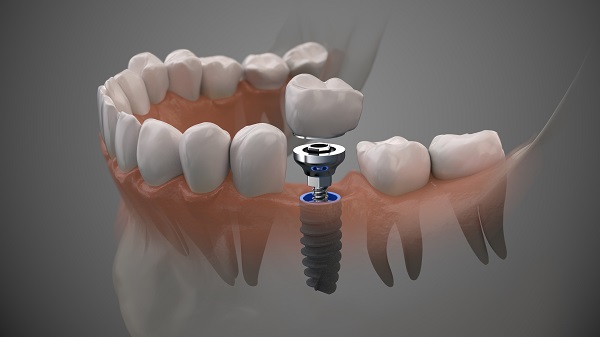
Dental implants are a common and effective option for replacing missing teeth. Once the dental implant crown is attached, patients can anticipate restored bite function and a natural-looking smile. The crown attachment phase is typically the final step in the dental implant restoration process. This article outlines the procedure to help patients understand what to expect.
Dental Implants and the Implant Crown Process
Dental implants offer a durable solution for patients with missing teeth. Each implant system is comprised of three primary components: the implant post, the abutment, and the dental crown.
The implant post, typically made of titanium, is surgically placed into the jawbone. This post serves as an artificial tooth root. The abutment is a connector piece that attaches the implant post to the custom-fabricated dental crown, which is designed to restore the aesthetic and functional aspects of the missing tooth.
The dental crown is not placed immediately following implant surgery. The jawbone requires time to heal and integrate with the implant post through a biological process called osseointegration. This healing period typically spans four to six months. Once adequate healing and integration have occurred, the dentist will attach the permanent crown using either a screw-retained or cement-retained method.
By replacing both the natural tooth and its root, dental implants provide a stable, esthetic, and long-lasting tooth replacement option that helps maintain jawbone health.
Screw-Retained Crowns
Screw-retained dental crowns are securely attached to the dental implant abutment using a small screw. A key advantage of this method is its retrievability; the crown can be accessed and removed by a dental professional for maintenance, repair, or replacement without causing damage to the surrounding implant components. This feature can simplify long-term care.
A small access channel on the biting surface of the crown allows the screw to connect the restoration to the abutment. Screw-retained crowns are often preferred for back teeth, where the access channel is less noticeable. While the screw may occasionally loosen over time, a dentist can easily tighten it during a routine check-up, helping to ensure the implant restoration remains secure and functional.
Cemented Dental Crowns
Cemented crowns are bonded to the abutment using specialized dental cement. These crowns often provide a highly aesthetic result due to the absence of an access channel, making them a preferred choice for front teeth where appearance is paramount. However, repair or replacement of cemented crowns can be more challenging compared to screw-retained options. If a cemented crown needs replacement, the entire crown typically must be carefully removed and a new one fabricated.
Longevity of Implant Components
While the implant itself, meaning the titanium post integrated into the bone, can potentially last a lifetime with diligent oral hygiene and professional care, the dental crown is the most exposed component and may require replacement over time due to wear or damage. The abutment, being less exposed, is also designed for long-term durability. Regular dental check-ups are essential for monitoring the condition of all implant components.
To determine if dental implants are a suitable option for your unique needs, we recommend scheduling a personalized consultation. Please request an appointment here. or call us directly at (954) 271-8072 for an appointment at our Tamarac office.